

Photo by Betty McGhee

Audio By Carbonatix
Growing up, I could count on one hand the instances where I encountered Brazilian music outside of Brazilian spaces: Antonio Carlos Jobim’s “Garota de Ipanema” filling up space between sips of wine and conversation at restaurants; the DJ dropping the Spanish version of Xuxa’s “Ilarie” at parties, sending children (and a few adults) into a frenzy; Pitbull’s remix of sertanejo singer Michel Teló’s “Ai Se Eu Te Pego” popping up unexpectedly on Y100.7. Brazilian music was there, but only in passing and typically embraced as novelty.
From contemporary songs sampling samba to TikTok remixes of phonk and dance challenges to bossa nova’s resurgence in electronic productions, right now, Brazilian music is everywhere. According to recently released data that New Times obtained from Spotify, Brazilian genres led all Latin music growth in the U.S. during the World Cup, with Sertanejo (+27%), Pagode (+23%), and Funk Carioca (+18%).
Local DJs are using this momentum to build an infrastructure rooted in preservation and cultural specificity, moving Brazilian music from the background to the main stage. Surprisingly, the Brazilian music nights are attracting listeners far beyond the Brazilian diaspora community in Miami.
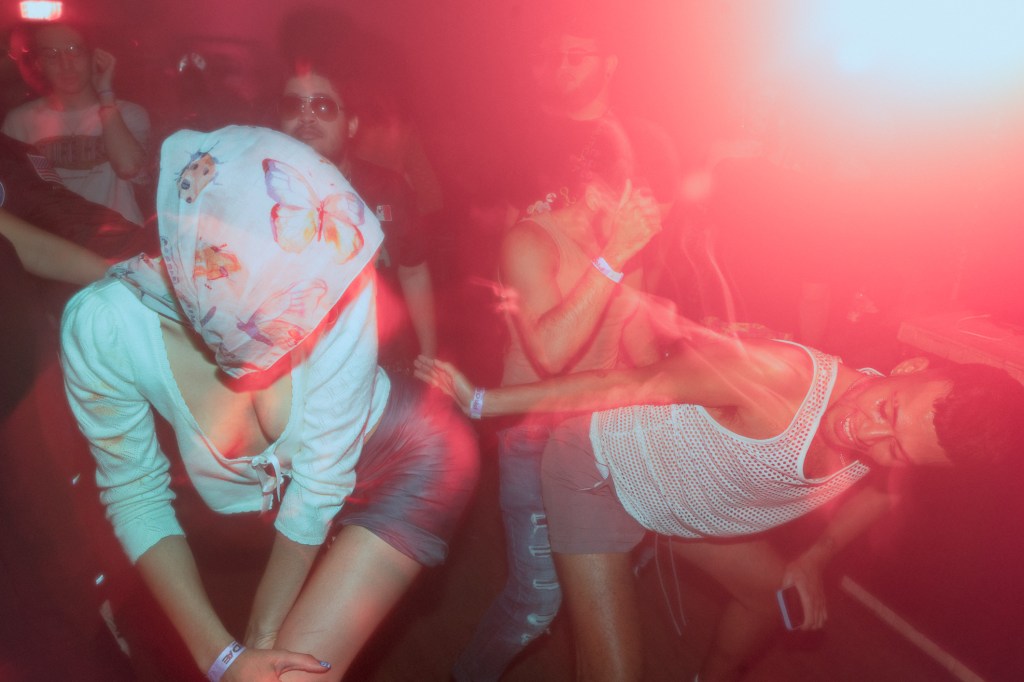
Photo by Betty McGhee
DJs Bridging the Remix and the Original Record
According to Brazilian-American DJ Marcello Bentine, electronic remixes of older Brazilian songs are giving legacy artists new life. “One thing that never gets old is when I drop an original Brazilian track. I can instantly tell whether it’s been remixed into an electronic version by the crowd’s reaction,” he tells New Times.
He has embraced that energy as an opportunity to introduce new audiences to the original source material. At his Brazil Sessions nights at Dante’s HiFi, he curates sets that mix original vinyl pressings with contemporary tracks. “I feel morally obligated to preserve them and present them to my audience in their original vinyl format, the way they were meant to be heard,” he says.
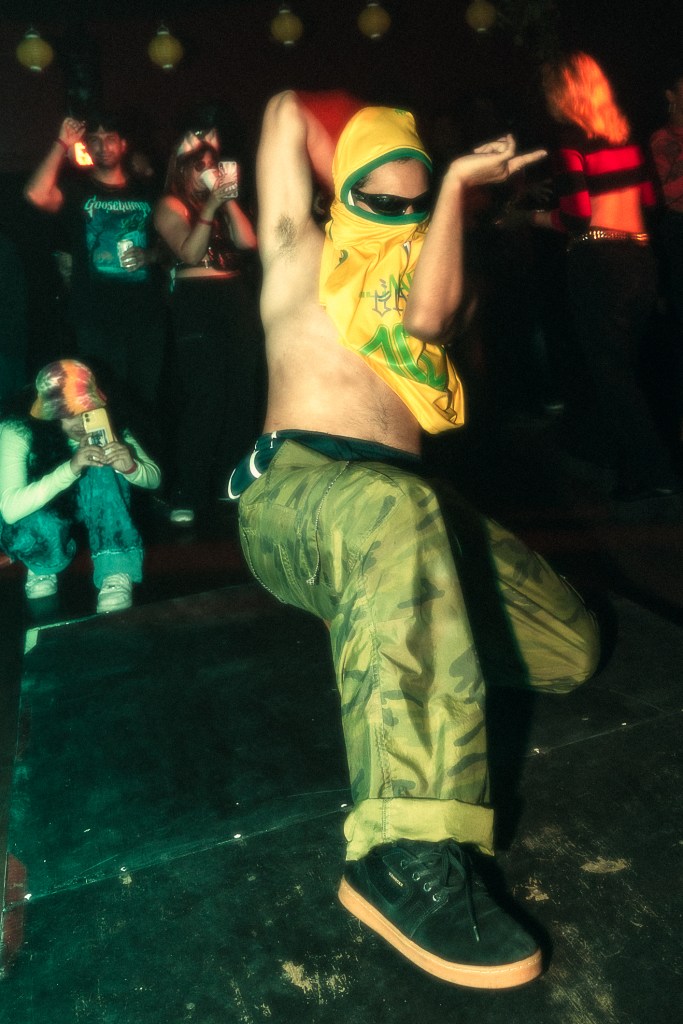
Photo by Betty McGhee
Marcello sees these remixes as a gateway that connects listeners back to the roots of Brazilian music. “If a Brazilian house edit leads someone back to the original Tim Maia record, that’s a win for our Brazilian music heritage.”
Brazil Sessions has built a consistent returning crowd over the past five years, signaling interest that goes beyond a one-night party. More recently, a younger generation demonstrates an interest beyond a first-click engagement. “I regularly get DMs from people in their 20s wanting to know more about the older Brazilian music I’m spinning —records they weren’t able to Shazam during my set,” he says.
Reclaiming Baile Funk
Streaming and social media did not create baile funk’s popularity so much as amplify a sound that had already been moving through underground circuits. For DJs and promoters working within the scene, the latest wave presents an opportunity to move beyond hype and re-center the culture.
Drawing on baile funk gatherings from her upbringing in Fortaleza, Solange Priscilla Cavalcante — also known as Sol Discos — created PROIBIDÆ in 2021, the first party in Miami dedicated to baile funk alongside its sonic relatives, including Miami bass, New York freestyle, and Los Angeles electro. At its peak, the party drew around 800 attendees. More important than size, she said, was the mix of people on the dance floor — queer audiences, Hispanic Latinos, and Brazilian expats sharing the same space.
Currently, Cavalcante is focused on launching PROIBIDŒ, a record label dedicated to preserving and restoring early baile funk recordings. “Baile funk enthusiasts worldwide, including those in Miami, will get to experience the genre’s roots,” she shares.
Rolando Jimenez is a Cuban-American Miami native who fell in love with baile funk culture and later created Tudo Bem, currently the city’s only Brazilian bass party, in response to what he saw as baile funk being reduced to a “garnish” over pop-heavy sets.
“What I didn’t want to do was throw another party that’s really a Bad Bunny and Drake night with some baile funk drums layered underneath to make it feel exotic,” he says.
While the party is rooted in Brazilian bass, it draws crowds of Hispanic Latinos, African Americans, and dancers across Miami’s club scene. Tudo Bem recently celebrated its one-year anniversary. “I want to bring the Brazilian artists who are thriving in these genres here and introduce them to the city,” Jimenez shares. “We want to keep building this into something Miami recognizes as part of its cultural fabric.”